What to Do When a Recruiter Asks for Your Current Salary Slip Upfront
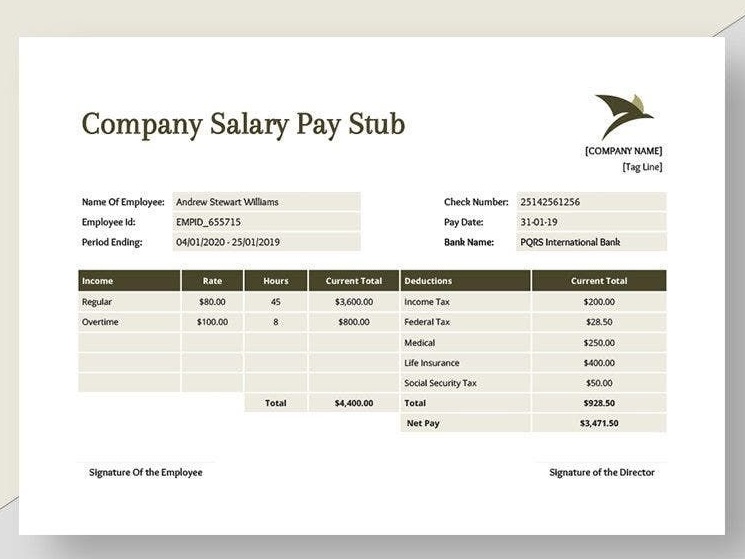
When a recruiter asks for your current salary slip, protect your negotiating power. Learn confident, polite scripts to shift the focus to market value and your worth.
You’ve made it through several interview rounds when suddenly, the recruiter asks, “Can you send us your latest salary slip?” Your heart sinks. It feels intrusive – and worst of all, it threatens to derail your pay negotiations. If you simply hand over that pay stub, the company now has a concrete anchor to your past compensation. In this tight job market, giving away your current salary can cost you thousands. The good news is: you don’t have to comply or feel guilty. This article explains why recruiters ask for payslips and, more importantly, exactly how you can respond – with concrete scripts – to keep the focus on your market value and what you deserve now.
As an experienced career coach, I’ve seen this scenario countless times. You have options: politely redirect the conversation or tactfully refuse, all while keeping the recruiter engaged. By the end of this guide, you’ll know the exact words to use and the smart tactics to apply. Plus, you’ll see how leveraging resources like Pulse Job can strengthen your position and help you find great roles. Let’s dive in.
Why Recruiters Ask for Your Salary
First, let’s unpack why recruiters even request payslips. On the surface, HR might claim it’s to verify your employment or check that your compensation expectations align with their budget. Some say it helps ensure they don’t overpay or underpay by anchoring to your past salary. They might argue it saves time by weeding out candidates outside the budget.
However, be aware of the hidden motive. Many experts point out that when a company asks for your salary history, it’s often about paying you as little as possible. In the words of one industry professional, HR’s “real goals” are to “figure out how little they can offer you and still get you to accept” and to calculate savings for the company. In other words, they are using your old pay as a psychological anchor to cap your offer.
It’s worth noting that reputable employers are increasingly dropping this practice. In fact, over 20 U.S. states and dozens of local governments have banned asking about salary history. These laws exist because basing compensation on past pay reinforces wage inequalities. One study even found that banning salary-history questions shrank the gender pay gap by 7% and led to 5% higher offers for new hires.
Whether or not it’s legal where you live, you have the right to handle this tactfully. Let’s look at why this situation matters for you and how to protect your leverage.
Why This Matters for You
For you, a job seeker, this question matters because it can make or break your salary negotiation. If you give your slip or old salary figure without question, you’re likely to be offered a number near that point, even if you deserve much more. This perpetuates existing pay inequities: anyone who was underpaid in the past (women, certain minorities, career-changers, etc.) will continue to be undervalued.
When you focus on market rates instead, you push the conversation onto your skills and the job’s requirements. Studies show that compensation should reflect your impact and the current market, not just your last paycheck. For example, career coaches emphasize: “Salary should match the responsibilities, not history.” One expert advises simply stating, “I prefer to negotiate based on the role’s market value, not my previous income”. This reframing puts the power back with you.
Another reason it matters: disclosing your salary early removes your chance to make a case for yourself. Ideally, you want the interviewer to see your value first — accomplishments, skills, problem-solving ability — so that by the time you discuss pay, they already see you as a strong hire. If the talk starts with “what did you make?” they may only remember that number.
Finally, remember that you are not obligated to share this information. Even in places without bans, best practice says companies should not make this a sticking point. Some top employers openly admit they won’t ask for old payslips for exactly these reasons. You can gently assert that sentiment in your response.
Step-by-Step Response Strategies
When faced with the request, follow these practical steps. Each step comes with example scripts you can adapt.
Step 1: Shift the Focus to Your Value. Instead of discussing past pay, steer the conversation toward what you bring to the role. For example, you might say:
“I’d prefer to focus on the value I bring to this position and its responsibilities. Based on my research and experience, I’m targeting a salary in the range of [X–Y] for this role.”
This accomplishes two things: it shows you’re confident in your worth, and it subtly changes the topic to your expectations, not your history.
Step 2: Use Market Data. Back up your target range with evidence. Before interviews, research salary ranges for similar roles in that industry and location (using sites like Glassdoor, Payscale, Levels.fyi, etc.). Then cite that data in your response. For instance:
“I’ve done some research on current market rates for similar roles. Based on that, I believe a fair range would be [X–Y].”
Showing you did your homework demonstrates you have a realistic, data-driven expectation. It signals that you’re not just making an arbitrary demand, but are aware of industry standards. Pulse Job’s career blog even highlights using benchmarks to set salary targets when negotiating.
Step 3: Politely Decline to Share Past Salary. If you need to be direct, do so respectfully. You could say:
“I’m sorry, but I’m not comfortable sharing my previous salary slip. Instead, I’d be happy to discuss what compensation makes sense for this role given my skills and experience.”
This kind of reply is firm yet professional. It makes clear that your past pay is confidential, but you are open to finding a fair number for the new job’s requirements. In many cases, simply saying you’re not comfortable and pivoting to the job’s scope is enough to let them know you won’t give in on this.
Step 4: Flip the Question. You can also turn it around by asking about their budget or salary band. For example:
“I’d like to ensure we’re aligned. Could you share the salary range that’s budgeted for this position?”
Putting the onus back on them can be powerful. If they are open, they reveal the range they expect to pay. Then you can discuss where within that range you might fit, without ever revealing your own slip. If they refuse to share, the conversation is still centered on the job, not your history.
During these steps, use “we” or “us” and keep the tone conversational. You might even soften it with humor or curiosity, e.g., “I'm curious – how did the hiring team set the salary range for this role?”. The idea is to stay calm and in control.
Verbal Scripts to Use
Here are some sample lines (script ideas) you can adapt in the moment:
“I prefer to negotiate based on what this role is worth in the current market. What salary range do you have in mind for this position?”
“My previous salary is confidential, but I’m happy to discuss a number that fits the responsibilities of this job and my experience.”
“Rather than my past pay, I’d like to focus on how I can add value here. Based on similar positions, I’m targeting [$X–$Y]. Does that fit your budget?”
“If it helps, I’d be willing to provide an employment letter or reference. However, I’d rather talk about the compensation for this role and my qualifications.”
Notice how each script avoids giving a number up front, and instead pivots to range, role scope, or mutual alignment. Use the one that feels most natural to you, or combine elements. Practice them out loud so they come easily.
Real-World Examples
To see how this plays out, imagine a scenario:
Interviewer: “Please email me your last two months’ pay stubs.”
You: “Certainly, I understand verification is part of the process. However, I focus on this role’s requirements and the value I can deliver. Could you tell me what salary range has been set for this position?”
At this point, the interviewer often realizes you won’t just hand over private docs and will either explain the range or shift to a conversation about your expectations. In many cases, candidates who redirect like this find that the company reveals its budget or even ups its offer because they must now justify it.
Another example: A software engineer was told upfront to send a pay slip. She responded by saying she’d prefer not to share, explained that her current salary was not in line with the market (backed by her research), and asked to discuss the overall package. The recruiter paused, then offered the company’s salary band. With that information, she negotiated a higher starting salary than her slip would have allowed.
These examples show the conversation shifting from “What did you earn?” to “What does this role pay?”. That’s the goal.
Common Mistakes to Avoid
While addressing payslip requests, avoid these missteps:
Handing over payslips automatically. This immediately tells the employer exactly how much you earned, anchoring the offer to that figure.
Blaming or arguing. Getting upset about the policy might make you seem difficult. Stay calm and professional.
Vague or hesitant answers. Saying “My salary is negotiable” without a purpose doesn’t help. Be clear you’ll discuss a range or expectation instead of your history.
Revealing a single number. If pressed, always give a range. Never say just one number (which can box you in).
Going in unprepared. Don’t wing it. If you haven’t researched salaries, you’ll have a hard time pivoting. Do your homework first.
Lying on documents. Never fabricate a payslip or inflate your salary; it can get you in legal trouble or loss of trust.
Avoiding these mistakes keeps you in control of the discussion. Remember, it’s a negotiation – think of it as a process where both sides are trying to find a win-win.
Best Practices for Salary Negotiation
Based on experience and expert advice, follow these best practices:
Do your salary research beforehand. Know the typical pay for this role, industry, and location. Pulse Job’s blog and other sources can provide up-to-date salary benchmarks.
Frame everything in terms of your future value. Speak about the skills and results you will bring, not what you earned in the past. Use confident language.
Keep it professional and respectful. You can be firm without sounding rude. “I appreciate your process” followed by your script shows respect.
Practice your responses out loud. This isn’t a yes/no question; practice makes you sound natural.
Get multiple offers if possible. Having options is huge leverage. Platforms like Pulse Job help you find many companies to apply to quickly, so you’re not desperate for any one offer.
Focus on the total package. If base salary is stuck, consider bonuses, equity, vacation or flex-time as part of the conversation.
Be prepared to walk away. If a company insists on your payslip as a strict rule, remember there are other employers who won’t penalize you for refusing.
How Pulse Job Helps
Your job search tools can make a big difference. Pulse Job is a free global job portal and app that supports your career journey in several ways:
Access to thousands of official job listings: Pulse Job automatically aggregates real openings from company career pages. You can trust the postings (no fake ads) and see any posted salary ranges or details.
Quick apply and recommendations: The app’s smart filters and personalized suggestions help you apply to multiple suitable jobs fast. The more applications you send, the more offers you have to leverage in negotiations.
Resume & profile tools: On Pulse Job, you can build a detailed profile and upload your resume. Instead of sharing salary info, your profile highlights skills, achievements, and what you’re looking for. Recruiters see your value right away.
Real-time alerts: Never miss opportunities with instant notifications about new jobs matching your criteria. This means you stay in the loop and can often negotiate from a position of strength if you have current interviews ongoing.
Career tips and data: Pulse Job’s blog even provides salary insights and advice. For example, its 2026 salary benchmark report encourages using data to negotiate smarter. You can use this kind of information to set your target ranges.
Because Pulse Job is community-driven and free, it’s designed to help job seekers like you without hidden fees. Using the platform helps you stay on top of the market so you can confidently pivot any conversation toward fair compensation. Think of it as part of your negotiation toolkit.
FAQs
Q: Can a recruiter legally ask for my salary slip?
A: In many places, it’s discouraged or even illegal. For example, over 20 U.S. states ban salary-history questions by employers. Still, some employers may ask. You’re never required to share this information; you can politely refuse and shift to discussing the job’s salary range.
Q: How do I refuse without hurting my chances?
A: Be polite and brief. You might say something like, “I’m sorry, but I’m not comfortable sharing that detail. Could we discuss what the role offers instead?” This respects their question but moves on. Often, recruiters will appreciate your professionalism and return to the main topic.
Q: What should I say if they insist on seeing proof?
A: You could offer an alternative, such as an employment verification letter that confirms your position (but not salary), or suggest they focus on references. However, if they insist on a payslip and you truly must provide something, give only what’s necessary: perhaps the portion that shows your monthly base (omitting bonuses or personal details). It’s rare to have to go this far if you’ve already tried the above strategies.
Q: Why do companies ask for payslips instead of simply asking my expectations?
A: Many HR departments think it’s a shortcut to set budgets or vet candidates. They assume your past pay indicates your market value. However, it’s a flawed practice: it ignores your growth and market changes. You have every right to steer the conversation toward your salary expectations, which reflect your current worth.
Q: How can I use Pulse Job to improve my salary negotiations?
A: Pulse Job can boost your negotiating position by helping you land multiple interviews and offers. Build a strong profile with your skills and desired salary range, and use the platform’s salary guides and alerts to stay informed. The more relevant opportunities you have in hand, the stronger your leverage will be at the bargaining table.
Conclusion
Being asked for your salary slip can feel like a trap, but it doesn’t have to derail your job search or negotiations. Remember: you are entitled to keep your past pay private and focus on your future role. Use the scripts and strategies above to confidently redirect the conversation. Keep the discussion on your skills, experience, and what the market pays – not what you earned before.
Above all, continue applying to great roles and sharpening your resume. Pulse Job is a free, community-driven platform that can help you do just that. Create a profile on pulsjob.com, upload your resume, and start searching thousands of verified jobs. The app lets you apply instantly and stay informed with alerts, so you build options and maintain leverage in any negotiation. By focusing on your true value and tapping into resources like Pulse Job, you’ll be in control of your salary discussion – not the recruiter.
Good luck, and happy negotiating with confidence!
Final CTA: Ready to take control of your job search and salary negotiations? Sign up on Pulse Job today: visit pulsjob.com or download the Pulse Job app (Android/iOS). Create your profile, upload your resume, and start applying to relevant jobs instantly. The job you deserve – at the pay you deserve – could be just a pulse away!